
Seasonal gardening offers a remarkable opportunity to enhance your outdoor space throughout the entire year. By understanding the rhythms of nature and adapting your gardening practices to the changing seasons, you can create a thriving, beautiful garden that evolves with the calendar. Whether you are a seasoned gardener or just starting, mastering seasonal gardening can transform your backyard into a vibrant sanctuary that provides enjoyment and sustenance in every season.
Why Is Seasonal Gardening Important?
Gardening in tune with the seasons allows plants to flourish in their natural cycles. This approach maximizes growth, minimizes pest and disease problems, and optimizes resource use like water and nutrients. Seasonal gardening also keeps your outdoor space visually appealing year-round, preventing the common issue of “garden burnout” after a single blooming period.
Moreover, seasonal gardening connects you to the environment around you, fostering mindfulness and a deeper appreciation for nature’s patterns. By aligning your planting and maintenance tasks with the seasons, you ensure your garden’s health and productivity, making it easier to manage and more rewarding.
How to Plan Your Seasonal Garden Effectively?
Effective seasonal gardening begins with a solid plan that considers your local climate, soil conditions, and available space. Here are key steps to get started:
- Know Your Zone: Identify your USDA Hardiness Zone or local climate zone to select plants suited to your region’s temperature range and frost dates.
- Map Out Your Space: Assess sunlight patterns, soil type, drainage, and sheltered spots. This will help you place plants where they will thrive across seasons.
- Choose Seasonal Plants: Select a mix of perennials, annuals, bulbs, and shrubs that peak in different seasons to maintain continuous interest.
- Create a Planting Calendar: Schedule sowing, planting, pruning, and harvesting tasks according to seasonal cycles to stay organized and proactive.
What Are the Best Plants for Each Season?
Understanding which plants perform best in each season is fundamental to seasonal gardening success. Below is a practical guide:
| Season | Plant Types | Examples | Tips |
|---|---|---|---|
| Spring | Bulbs, Early Vegetables, Perennials | Tulips, Daffodils, Lettuce, Peas, Bleeding Heart | Prepare soil with compost; start seeds indoors early. |
| Summer | Heat-Tolerant Annuals, Fruit-Bearing Plants | Marigolds, Zinnias, Tomatoes, Peppers, Lavender | Water deeply and mulch to retain moisture; monitor for pests. |
| Autumn | Fall Vegetables, Late Bloomers, Trees | Kale, Brussels Sprouts, Chrysanthemums, Maples | Plant cover crops; clean up dead foliage to reduce disease. |
| Winter | Evergreens, Hardy Perennials, Bulbs for Next Spring | Holly, Boxwood, Hellebores, Snowdrops | Protect vulnerable plants with mulch or coverings; plan next season. |
How Can You Adapt Your Gardening Techniques Throughout the Year?
Each season demands specific gardening care to maintain plant health and garden aesthetics:
Spring: Preparing and Planting
- Clear debris and test soil pH to adjust nutrient levels.
- Start seeds indoors 6-8 weeks before last frost for early crops.
- Prune shrubs and trees before new growth begins.
Summer: Nurturing and Protecting
- Water plants early in the morning or late afternoon to reduce evaporation.
- Apply mulch layers (2-3 inches) to retain moisture and suppress weeds.
- Inspect plants regularly for pests and diseases; use organic controls when possible.
Autumn: Harvesting and Preparing for Dormancy
- Harvest mature vegetables and fruits promptly to encourage continued production.
- Plant cover crops like clover or rye to improve soil health over winter.
- Rake fallen leaves and compost to enrich soil.
Winter: Protecting and Planning
- Wrap delicate plants with burlap or use frost cloths to prevent freeze damage.
- Reduce watering frequency as plant growth slows.
- Use this time to plan for the next gardening cycle, order seeds, and design layout changes.
What Are Some Practical Tips to Maximize Success in Seasonal Gardening?
- Rotate Crops: Avoid planting the same vegetables in the same spot each year to reduce soil-borne diseases and nutrient depletion.
- Compost Regularly: Recycle garden waste into nutrient-rich compost to improve soil structure and fertility.
- Implement Companion Planting: Grow plants that benefit each other, such as basil near tomatoes to repel pests.
- Use Raised Beds: Improve drainage and soil quality with raised garden beds, especially in areas prone to waterlogging.
- Keep a Garden Journal: Track planting dates, weather patterns, successes, and challenges to refine your approach each year.
How Does Seasonal Gardening Improve Your Outdoor Living Experience?
By embracing seasonal gardening, your outdoor space becomes a dynamic environment that reflects the changing beauty of nature. You’ll enjoy:
- Visual Interest: Flowers, foliage, and fruits that bloom and ripen at different times keep your garden engaging.
- Fresh Produce: Growing your own fruits and vegetables in season promotes healthier eating and reduces grocery bills.
- Wildlife Support: Seasonal plants provide food and habitats for pollinators and birds throughout the year.
- Wellness Benefits: Gardening offers physical activity and stress relief, with rewards that evolve across seasons.
Conclusion: Take Action to Master Seasonal Gardening Today
Transforming your outdoor space year-round is achievable by mastering the art of seasonal gardening. Start by understanding your local climate, selecting appropriate plants, and aligning your gardening activities with seasonal cycles. Use the practical tips and seasonal plant guide provided to build a resilient and vibrant garden that thrives through spring, summer, autumn, and winter.
Begin with small steps—plan your upcoming season, prepare your soil, or plant a few seasonal favorites. Over time, your garden will flourish, offering beauty, bounty, and satisfaction throughout the year. Embrace seasonal gardening now and watch your outdoor space become a living canvas of nature’s wonders.

Transform Small Spaces with Clever Storage Solutions
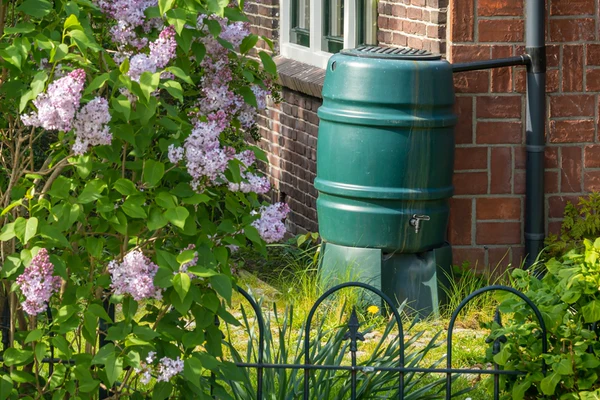
Save Water and Grow More with Rainwater Harvesting
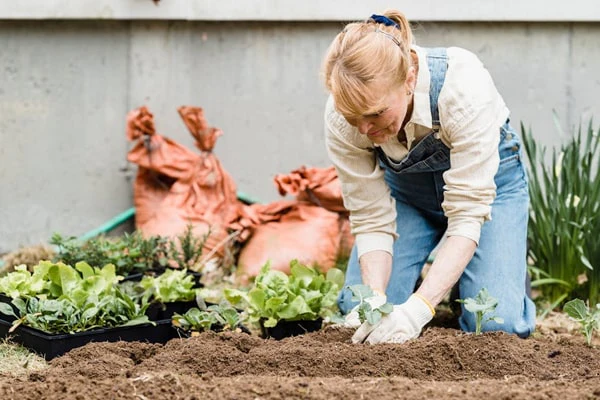
Year-Round Gardening Tips for a Vibrant Outdoor Space
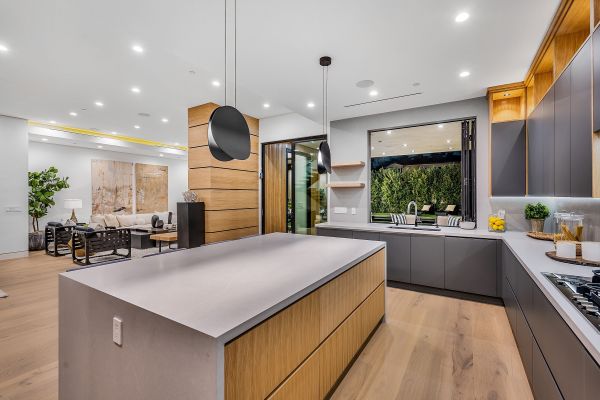
Transform Your Home with Modern Renovation Ideas

Luxury Living: Interior Design for Style and Comfort

Embracing Self-Love: A Healing Journey After Heartbreak

Future Faking: Signs and Emotional Impact

Fear of Intimacy: Building Deeper Connections

Active Listening: The Key to Genuine Connection