
Creating a vibrant and thriving garden requires more than just passion—it demands smart resource management. One of the most effective ways to nurture your green space sustainably is through rainwater harvesting. This practice not only conserves water but also enhances your garden’s health and reduces your environmental impact. In this ultimate guide, we will explore practical techniques, benefits, and tips to help you maximize your green space by integrating rainwater harvesting into your gardening routine.
What Is Rainwater Harvesting and Why Does It Matter?
Rainwater harvesting is the collection and storage of rainwater from surfaces like rooftops, which can then be used for irrigation and other non-potable purposes around the home. This method is especially valuable in areas facing water scarcity or in regions where municipal water is costly or limited.
By capturing rainwater, gardeners can reduce dependence on treated water, lower water bills, and contribute to environmental conservation. Additionally, rainwater is naturally soft and free of chemicals such as chlorine and fluoride, which are commonly found in tap water and can affect plant health.
How Does Rainwater Harvesting Benefit Sustainable Gardening?
- Water conservation: Using harvested rainwater can decrease your household water consumption by 20-30%, easing pressure on local water supplies.
- Improved plant health: Rainwater is pH-neutral and rich in oxygen, providing better hydration and nutrient absorption for plants.
- Cost savings: Reducing reliance on municipal water can lower utility bills, especially during dry seasons or droughts.
- Flood mitigation: Collecting rainwater helps manage stormwater runoff, reducing soil erosion and preventing garden flooding.
What Are the Basic Components of a Rainwater Harvesting System?
Setting up a rainwater harvesting system can be straightforward or advanced, depending on your garden’s size and your goals. Here are the essential components:
- Catchment area: Usually the roof, where rainwater is collected.
- Gutters and downspouts: Channels that direct water from the roof to storage.
- First-flush diverter: A device that discards the initial dirty runoff, improving water quality.
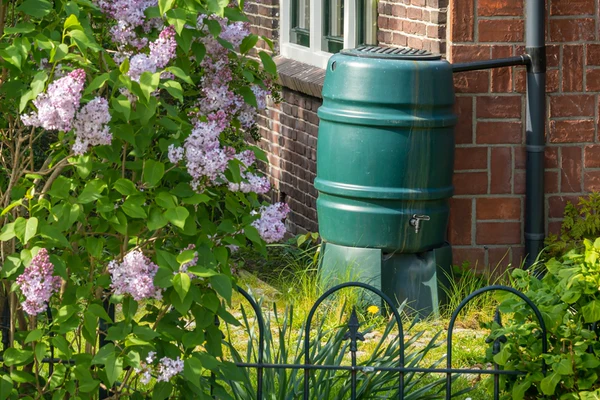
- Storage tank or barrel: Containers where rainwater is stored for later use.
- Filtration system: Screens or filters to remove debris and prevent mosquito breeding.
- Delivery system: Pumps, hoses, or gravity-fed outlets to distribute water to plants.
How to Choose the Right Storage for Your Garden?
The size of your storage tank should reflect your garden’s watering needs and the average rainfall in your area. For example, a small urban garden might only require a 200-500 liter barrel, while larger spaces may benefit from tanks of 1,000 liters or more.
Materials vary from plastic and metal barrels to underground cisterns. Choose a container that is UV-resistant, sealed to prevent contamination, and fits within your garden’s aesthetic and space constraints.
Step-by-Step: Installing a Simple Rainwater Harvesting System
Here’s a practical walkthrough to get you started with a basic setup:
- Inspect your roof and gutters: Ensure they are clean and in good condition to collect uncontaminated water.
- Install gutter guards: Prevent leaves and debris from entering the system.
- Set up a first-flush diverter: This will divert the initial dirty water away from your storage tank.
- Position your storage barrel: Place it on a sturdy, level platform near a downspout.
- Connect the downspout to the barrel: Use a downspout diverter kit or manually redirect the flow.
- Add a spigot at the base: This allows easy access for watering cans or hoses.
- Install a mosquito-proof screen: Cover any openings to prevent mosquito breeding.
How Much Rainwater Can You Collect?
The volume depends on your roof size and local rainfall. As a rule of thumb, every 1,000 square feet (about 93 square meters) of roof can collect approximately 600 liters of water from 1 inch (25 mm) of rain. For example, if your roof is 100 square meters and your area receives 500 mm of rain annually, you could theoretically harvest around 30,000 liters per year.
Practical Tips for Using Harvested Rainwater in Your Garden
- Water during early morning or late afternoon: This minimizes evaporation and ensures plants absorb more moisture.
- Use drip irrigation: This method delivers water efficiently to plant roots, reducing waste.
- Rotate watering areas: Prevent over-saturation in one spot by moving your watering routine around the garden.
- Store water properly: Avoid prolonged storage without circulation to prevent stagnation and algae growth.
- Combine with mulching: Mulch helps retain soil moisture, making the most of your harvested water.
What Are Common Challenges and How to Overcome Them?
While rainwater harvesting is highly beneficial, some gardeners face obstacles such as:
- Limited rainfall: Supplement rainwater with greywater recycling or drought-resistant plants.
- Water quality concerns: Use first-flush systems and regular cleaning to maintain purity.
- Storage space constraints: Opt for compact or vertical tanks, or use multiple smaller barrels.
- Cost of installation: Start small and expand gradually; many DIY kits are affordable and easy to install.
Case Study: How One Family Cut Their Water Usage by 25%
The Johnson family in Austin, Texas, installed a 500-liter rain barrel connected to their roof gutters. Over six months, they used harvested rainwater for their vegetable garden and flower beds. Their municipal water bill dropped by 25%, and their plants showed improved growth due to the chemical-free water. Simple adjustments like adding a first-flush diverter and mulch amplified the system’s effectiveness.
How to Integrate Rainwater Harvesting Into a Broader Sustainable Garden Plan?
Rainwater harvesting works best when paired with other sustainable gardening practices, such as composting, native plant cultivation, and organic pest control. Together, these methods create a resilient ecosystem that thrives with minimal external inputs.
Consider designing your garden with water catchment in mind—sloping beds, rain gardens, and permeable pathways can all help manage and utilize rainwater more effectively.
Conclusion
Maximizing your green space through rainwater harvesting is an achievable and rewarding step towards sustainable gardening. By collecting and using rainwater, you conserve valuable resources, improve your plants’ health, and contribute positively to the environment. Whether you start with a simple rain barrel or a more sophisticated system, the benefits are tangible within months.
Ready to make your garden greener and more sustainable? Begin by assessing your roof area and local rainfall, choose the right storage solution, and install a system tailored to your needs. Every drop counts, and with rainwater harvesting, your garden will flourish while you save water and money.

Transform Small Spaces with Clever Storage Solutions
Save Water and Grow More with Rainwater Harvesting
Year-Round Gardening Tips for a Vibrant Outdoor Space

Transform Your Home with Modern Renovation Ideas

Luxury Living: Interior Design for Style and Comfort

Embracing Self-Love: A Healing Journey After Heartbreak

Future Faking: Signs and Emotional Impact

Fear of Intimacy: Building Deeper Connections

Active Listening: The Key to Genuine Connection